By Paul Brent
There was a time when Concert Real Estate Corp. could operate under the industry radar given its West Coast base of operations and traditional focus on building, retaining and operating multi-residential properties.
Any anonymity Concert may have clung to has all but disappeared following two significant deals in recent weeks: the purchase of a trophy office asset and a joint venture for a mega development in the red-hot Vancouver market.
“We have been busy lately,” said David Podmore, Concert’s chairman and chief executive. “We are really positioning the company for some pretty significant growth. Each of these fits in with our plans very nicely.”
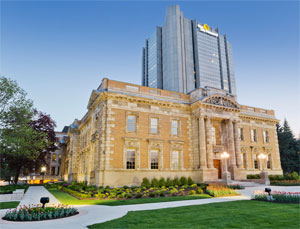
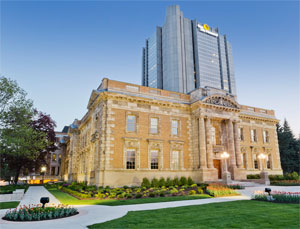
Last week, Concert announced the purchase of Sun Life Financial‘s Canadian headquarters located at 227 King Street South in Kitchener-Waterloo.
Huge and historical, the acquisition immediately became the largest office property in Concert’s portfolio. The property consists of an 18-storey, single-tenant office complex totalling 745,247 square feet and associated parking comprised of a five-storey parking structure and a surface parking lot for a combined total site area of 15.9 acres.
Unique office complex
This unique office complex consists of multiple connected buildings, constructed in several different time periods, ranging from 1912 to 1986, …read more
Source:: RENX
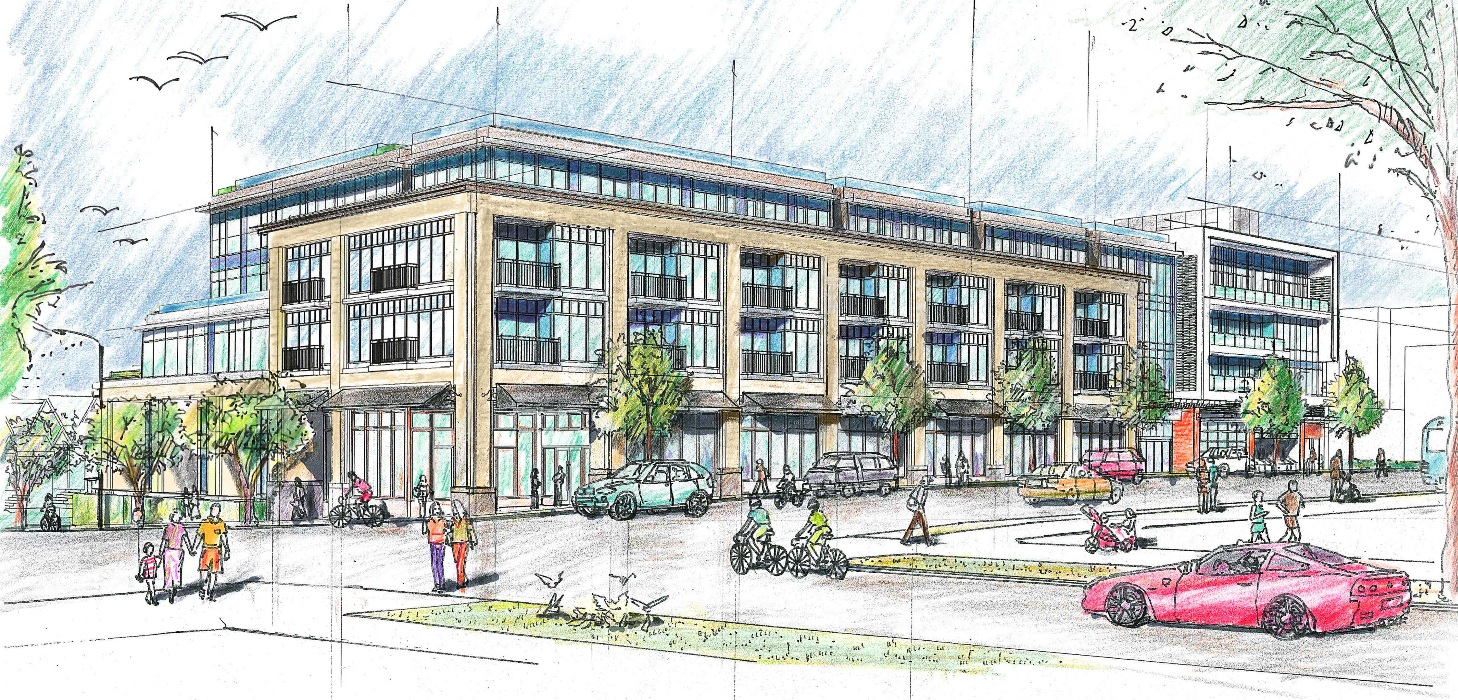
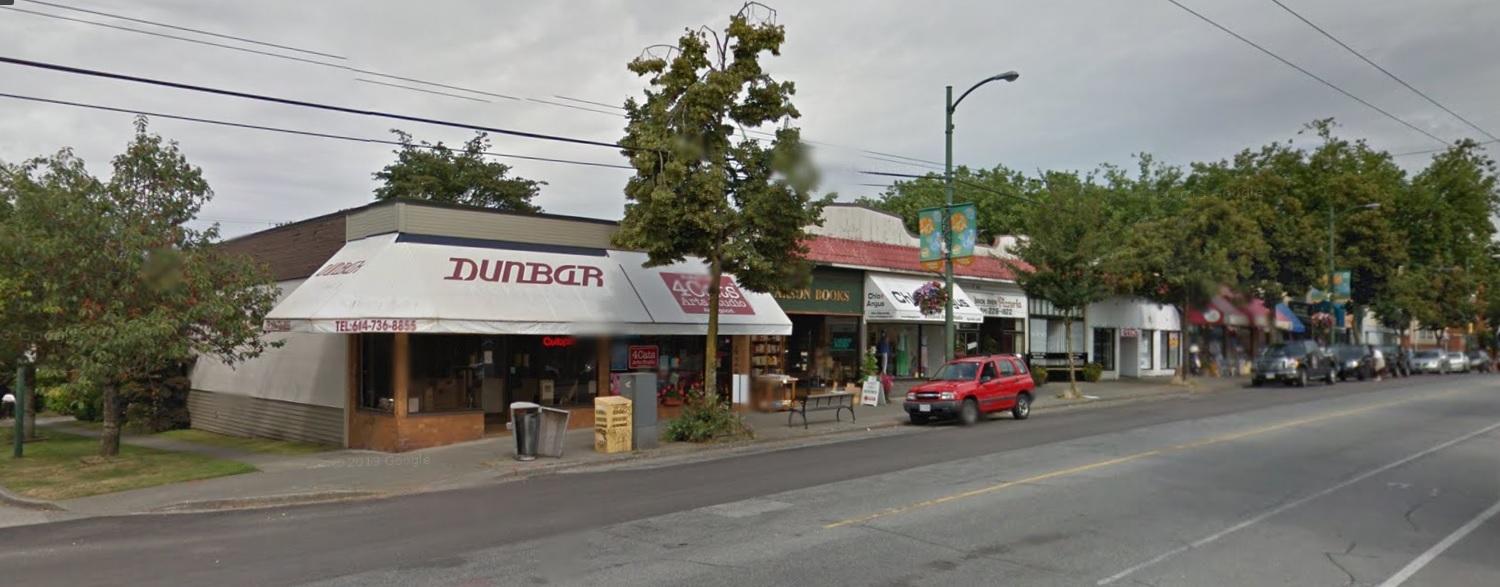
A development application has been filed by a partnership including Dayhu Group for a 30,816 SF C-2 zoned site at Dunbar and 27th on the Westside of Vancouver. The site is part of a land assembly put together over several years, concluding with the acquisition of a large portion of the block (4253-4275 Dunbar Street) in January 2014 for $8,010,000.
The plan calls for a 4-storey mixed-use building at the Northwest corner of Dunbar and 27th that will include a relocated Stong’s Grocery store. Details include:
Reports of the death of the City of North Vancouver’s CityShaping official community plan may have been greatly exaggerated. The high-level vision for the next 20 to 30 years of the city is merely stuck in legislative limbo.
A split council voted down third reading of the OCP bylaw after a public hearing on Sept. 29 following three years and untold thousands of hours of city council, staff and community volunteer time spent drafting and refining it through public consultation.
Couns. Linda Buchanan and Craig Keating and Mayor Darrell Mussatto cast three of the deciding “nay” votes, largely on the grounds that the latest draft of the document stripped away the ability for homeowners to build both a coach house and secondary suite on their property, choking off the development of affordable housing units.
Coun. Guy Heywood said he supported the land use and housing plans in the 125-page document, but couldn’t support the remaining chapters that focus on broader topics like arts, health and recreation, which he argued should be done with the District of North Vancouver. Heywood is and has spent much of the last year pushing the city to reconsider amalgamation with the district.
But the OCP, which the province mandates must be updated, could still be revived and passed before the Nov. 15 election if council moves quickly, according to city staff.
Read more: http://www.nsnews.com/news/city-of-north-vancouver-flip-flops-on-ocp-fate-1.1418477
By Paul Brent
It is likely not news to any commercial real estate industry veteran, but Montreal, Toronto and Vancouver are expensive places to do business when it comes to taxes.
A recent study from the Real Property Association of Canada (REALpac) confirms that fact, finding those three cities continue to sport the highest commercial to residential tax ratios in the country. The trio all have commercial to residential tax ratios higher than 4:1, while the average tax ratio for all Canadian municipalities was 2.79.
However, there is some good news in the report. Toronto’s commercial to residential tax ratio continues its slow but steady decline over the 11 years REALpac has been keeping track. The ratio declined to 4.01 from 4.07 a year ago. That’s part of the city’s deliberate effort to cut commercial taxes and reverse the exodus of business to the suburbs. Its goal by the end of the decade is to trim its commercial to residential tax ratio to 2.5.
In contrast, the study found Montreal’s ratio increased for the 10th consecutive year, even though there were decreases in both commercial and residential rates over the past two years. In fact, Montreal’s …read more
Source:: RENX
Thinking of selling?
I track every commercial sale in Metro Vancouver. If you're wondering what your property is worth, I can give you an informed view.
David Taylor · Colliers · 604-761-7044